Healthy Lifestyle Tips: 10 Daily Habits That Work
Big change rarely comes from big resolutions. These ten small, science-backed habits — built around real food, real movement and real rest — are what actually shift the dial.
 Lifestyle
Big change rarely comes from big resolutions. It comes from tiny, repeatable habits compounded over years. Here are ten daily habits — built around real food, real movement and real rest — that genuinely move the dial on long-term health.
1. Eat the same breakfast for a week
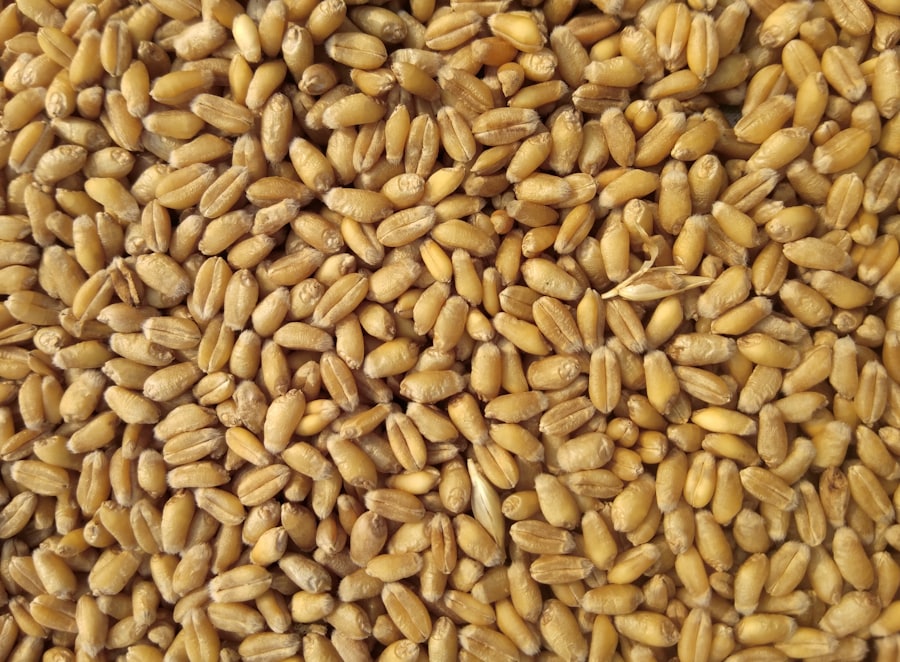
Decision fatigue is real. A consistent, high-protein, whole-food breakfast — say, two organic eggs and a roti of stone-milled khapli atta — stabilises your blood sugar, calms your morning cravings, and saves your willpower for harder decisions later in the day.
2. Drink water before coffee
You wake up dehydrated. Before that first chai or coffee, drink a full glass of room-temperature water. This simple habit improves digestion, supports your kidneys, and reduces afternoon headaches significantly.
3. Eat one rainbow plate per day
Every colour on your plate represents a different family of antioxidants. Aim for at least four colours on one plate each day — green leafy, red tomato or beetroot, orange carrot or pumpkin, yellow lemon or turmeric. Variety is the entire game.
4. Walk after dinner — 10 minutes is enough
A short walk after dinner reduces blood sugar spikes by up to 30%. You don't need a gym membership for this one. Just shoes, a quiet street, and ten minutes between dinner and bed.
"The most powerful health intervention I know costs nothing, takes ten minutes, and works for everyone."
— Most general physicians, when asked about post-dinner walks.
5. Cook with cold-pressed oils
Refined oils are stripped, bleached and deodorised at high temperatures. Cold-pressed wood-ghani oils retain their natural antioxidants, vitamin E and flavour. Use groundnut for everyday cooking, sesame for sabzi and tempering, mustard for pickles and Bengali dishes.
6. Sleep is a habit, not a luxury
Same bedtime, same wake time — even on weekends. Most adults need 7 to 8 hours. A consistent schedule is more important than total hours. Phones out of the bedroom is non-negotiable.
7. Reduce ultra-processed food, not whole food groups
Eliminating "all carbs" or "all fat" is unsustainable and unscientific. Instead, cut ultra-processed food — anything that comes in a colourful packet with a long ingredient list. Eat rice. Eat ghee. Eat rotis. Just make sure they're real.
8. Move every hour you sit
Sitting is the new smoking, as the saying goes. If your job is desk-bound, set an hourly alarm. Stand. Stretch. Walk to the water dispenser. The total minutes barely matter; the breaks do.
9. Practice one thing of stillness
Meditation, prayer, journaling, slow tea, watching the sky — pick one. Ten minutes a day. Stillness rebuilds the part of your brain that gets shredded by notifications. This is not optional in 2026.
10. Buy direct from farmers when you can
This is both a health habit and a values habit. When you buy directly from organic farmers, you get fresher food, fewer middlemen, and a transparent supply chain. It also reconnects you to where your food actually comes from — which, in turn, makes you eat with more attention and gratitude.
The honest truth
You will not do all ten of these consistently. Nobody does. Pick two for the next thirty days. Stack them onto something you already do — coffee, dinner, bedtime. After thirty days, add a third. Health is not built on willpower; it is built on architecture. Design your day so the healthy choice is the easy choice, and the rest takes care of itself.