Benefits of Organic Food: Why It Matters for Your Family
From higher nutrient density to a cleaner conscience — here is exactly what your family gains when you switch to 100% organic, chemical-free food.
 Health
When a family asks us why organic food is worth the extra rupee per kilo, we never start with statistics. We start with a question: do you know exactly what was sprayed on the food you ate yesterday? Most people don't — and that's precisely the gap organic food closes. From higher nutrient density to a cleaner conscience, here is exactly what your family gains when you make the switch.
1. No synthetic pesticides — full stop
Certified-organic produce is grown without synthetic pesticides, herbicides or fungicides. India's Food Safety and Standards Authority (FSSAI) routinely flags pesticide residue on conventionally grown grains, fruits and vegetables. While most residues are within legal limits, "within limits" still means your body is doing chemistry it doesn't need to do. Organic food simply removes that load.
2. Measurably higher in antioxidants
A landmark meta-analysis published in the British Journal of Nutrition reviewed 343 studies and found that organic crops contain up to 69% more antioxidants than their conventional counterparts. Antioxidants are the compounds that fight oxidative stress — the same stress linked to heart disease, diabetes, and ageing.
3. Better for the gut microbiome
Healthy soil grows healthy plants, and healthy plants feed healthy gut bacteria. Recent research connects diverse plant diets — especially native and heirloom varieties — with stronger microbiome diversity, better digestion and improved mental health.
"You are not what you eat. You are what your gut bacteria digest from what you eat."
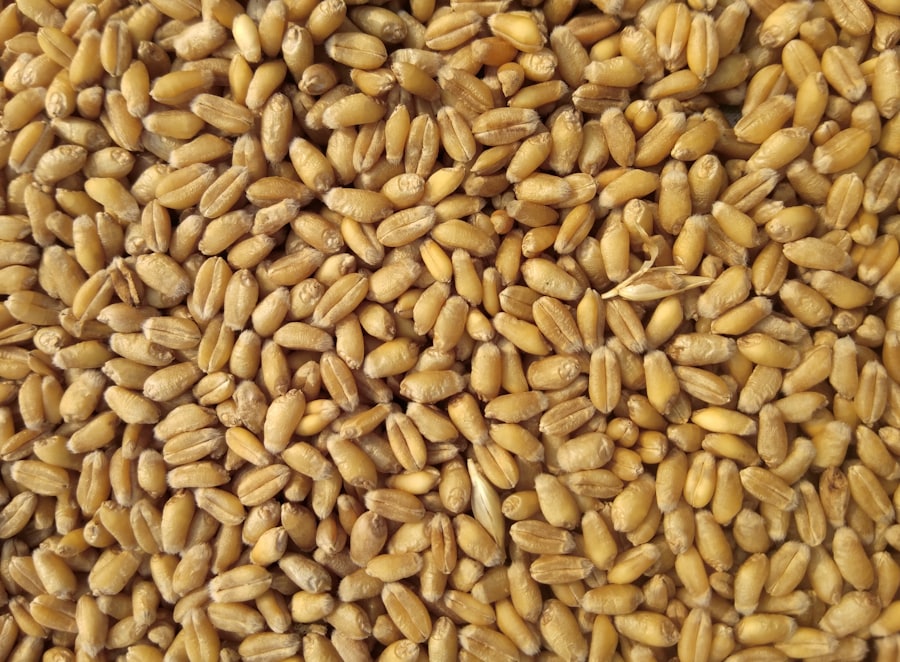
— A line we tell every customer who asks why organic native wheat tastes different.
4. No GMOs, no irradiation, no growth hormones
True organic certification prohibits genetically modified seeds, food irradiation and growth hormones. In dairy and grains especially, this matters: you're getting food that has been grown the way humans have grown food for ten thousand years.
5. Real flavour comes back
Industrial agriculture optimises for shelf life and uniform size, not flavour. Organic farmers grow varieties that ripen on the plant, in the season they're meant for. The first time you eat an organic Surti chana dal or a stone-ground organic bansi wheat roti, you'll understand why your grandparents talked about food the way they did.
6. Cleaner water, healthier soil
Organic farming protects groundwater from chemical run-off and rebuilds topsoil through composting, mulching and crop rotation. Every organic meal you buy is a vote for the land your grandchildren will inherit.
7. Supports small Indian farmers directly
At Anjana Organics, every farmer is approved, vetted and paid fairly. Choosing organic isn't just a personal health decision — it is a structural one. You are choosing a food system that values the people growing your food.
Are organic foods more expensive?
Often yes — and often not. Organic foods cost more to grow because farmers replace cheap chemical inputs with labour-intensive natural practices. But you also eat less of organic food because it is more nutrient-dense and more flavourful. Many of our customers tell us their grocery bill actually went down after switching, because they stopped wasting food.
How to start the switch (without overthinking it)
- Start with what you eat every day. Wheat, dal, oil, ghee — these are your highest-volume items. Switch them first.
- Read the label. "Natural", "farm fresh" and "pure" mean nothing legally. Look for India Organic or a verifiable farmer source.
- Buy seasonal. Out-of-season produce is expensive everywhere — but especially in the organic world.
- Buy direct. When you buy direct from a farmer, you cut out three layers of middlemen and you know who grew your food.
The bottom line
Organic food is not a luxury. It is the food humans have always eaten, before we learned how to spray it with chemicals. The benefits — for your body, your family and the planet — compound slowly, quietly, every meal. Make the switch with one ingredient this week. Your future self will thank you.