Why Choose Organic Grains: The Truth Behind Every Roti
Native wheat, heirloom pulses and stone-milled flour carry a story modern grain has forgotten. Here is what makes organic grains genuinely different.
 Grains
Roti is the silent star of every Indian kitchen. We eat it three times a day, almost without thinking. Which is exactly why what we make our roti from matters more than almost anything else in our daily diet. Here is the honest case for organic grains — what makes them different, what to look for, and how to identify the real thing.
Modern wheat is not your grandmother's wheat
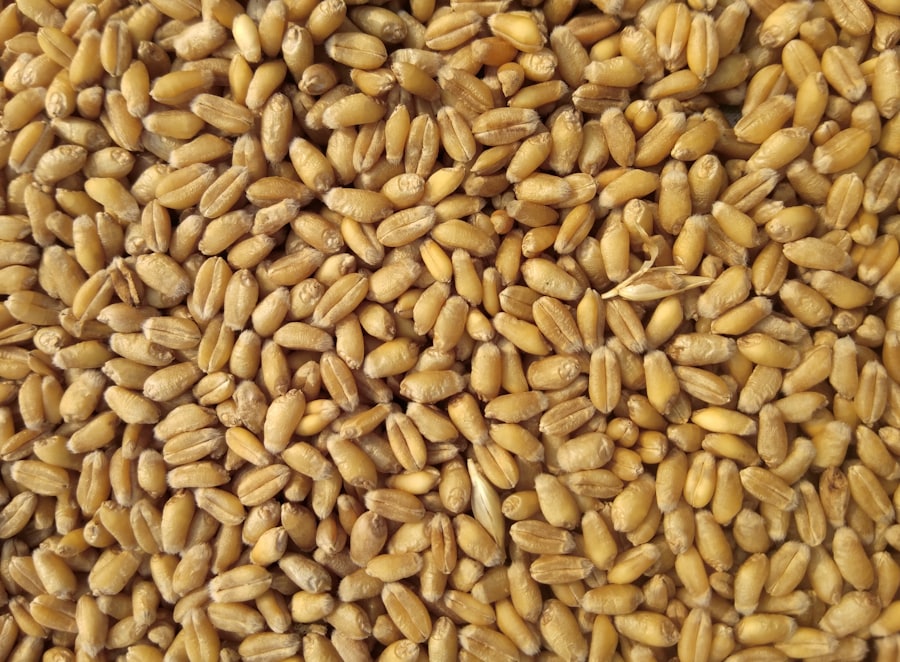
The wheat varieties grown across India today are mostly dwarf, high-yield, fertilizer-loving cultivars bred in the 1960s and 1970s. They were a triumph of food security — but a quiet defeat for nutrition. Native varieties like Khapli, Bansi, Sharbati and Sonamoti carry more protein, more fibre, more minerals and dramatically more flavour.
What makes organic grain genuinely different
1. Grown in living soil
Organic farmers feed the soil, not the plant. Composting, green manure and cover cropping rebuild topsoil over years, which means grains grown in this soil pull up a wider mineral palette — zinc, iron, magnesium and copper your body actually needs.
2. No glyphosate, no chlorpyrifos, no malathion
Many conventional wheat fields are sprayed with desiccants like glyphosate just before harvest to ripen the crop uniformly. Even small residues travel from field to flour to your morning roti. Organic grains skip every one of these chemical steps.
3. Higher protein and antioxidants
Side-by-side comparison studies consistently show organic native wheat contains 10–25% more protein and significantly higher levels of antioxidants like ferulic acid and lutein than conventional varieties.
4. Real, deep flavour
Try a stone-milled organic Khapli atta roti next to a supermarket maida roti and you'll never go back. There is a nuttiness, an earthiness — the taste of real grain grown in real soil.
"The wheat itself smells like wheat again."
— A customer's note after switching to our native Khapli flour. We frame quotes like these in our office.
Why heirloom pulses matter
Tur, moong, urad, chana and masoor — the dals you eat every day — have been heavily homogenised by industrial breeding. Heirloom varieties like Surti chana, country tur, desi black masoor and kala chana carry their own protein profile, digestibility and flavour. Organic certification ensures these were grown without systemic insecticides that conventional pulses are notoriously sprayed with.
The stone-milling difference
Modern roller mills generate heat that damages wheat germ oils and oxidises nutrients. Stone-milled organic atta is ground slowly, at low temperatures, retaining the bran and germ intact. The result: more fibre, more nutrients, longer satiety after meals, and that aroma you remember from your grandmother's kitchen.
How to spot real organic grain
- Source visibility. A real organic seller can tell you which farmer grew this batch, in which village, in which season.
- Certification. Look for India Organic (NPOP) or PGS-India marks. "Pure" and "natural" mean nothing.
- Imperfect appearance. Organic grain is rarely uniform in size or colour. That's a feature, not a flaw.
- Smell. Open the bag. Real organic atta smells of grain. Bleached, refined and oxidised flour smells of nothing.
Start with one switch
You don't need to overhaul your kitchen overnight. Switch your atta first — it's the single highest-impact change in any Indian household. Once your family tastes the difference, the rest follows.
At Anjana Organics, our native wheat and heirloom pulses come directly from approved farmers across Gujarat. You can see where they were grown, who grew them, and pay a fair price for honest food. That is the only kind of grain worth eating three times a day.